Training design works best when the coach knows what players will practise and how the group will review it. A camp timetable should connect technical actions, decisions in game-like situations and time to recover. It should also reflect the participants’ experience, existing training routine and available facilities.
Choose a small number of priorities
Start by selecting a few areas for the camp. A long list of goals can make sessions feel disconnected. One day might focus on receiving and turning; another may build on passing choices or finishing. For a team group, priorities can come from shared play. For an individual-focused group, they may be broad themes that each player interprets differently.
State the purpose before the session begins. Keep instructions short and demonstrate the key action when useful. Give players enough repetitions to explore the task, then change a constraint or add a decision. A session should be structured but responsive; if an exercise is not producing the intended practice, adjust it.
Technical work: control, passing and finishing
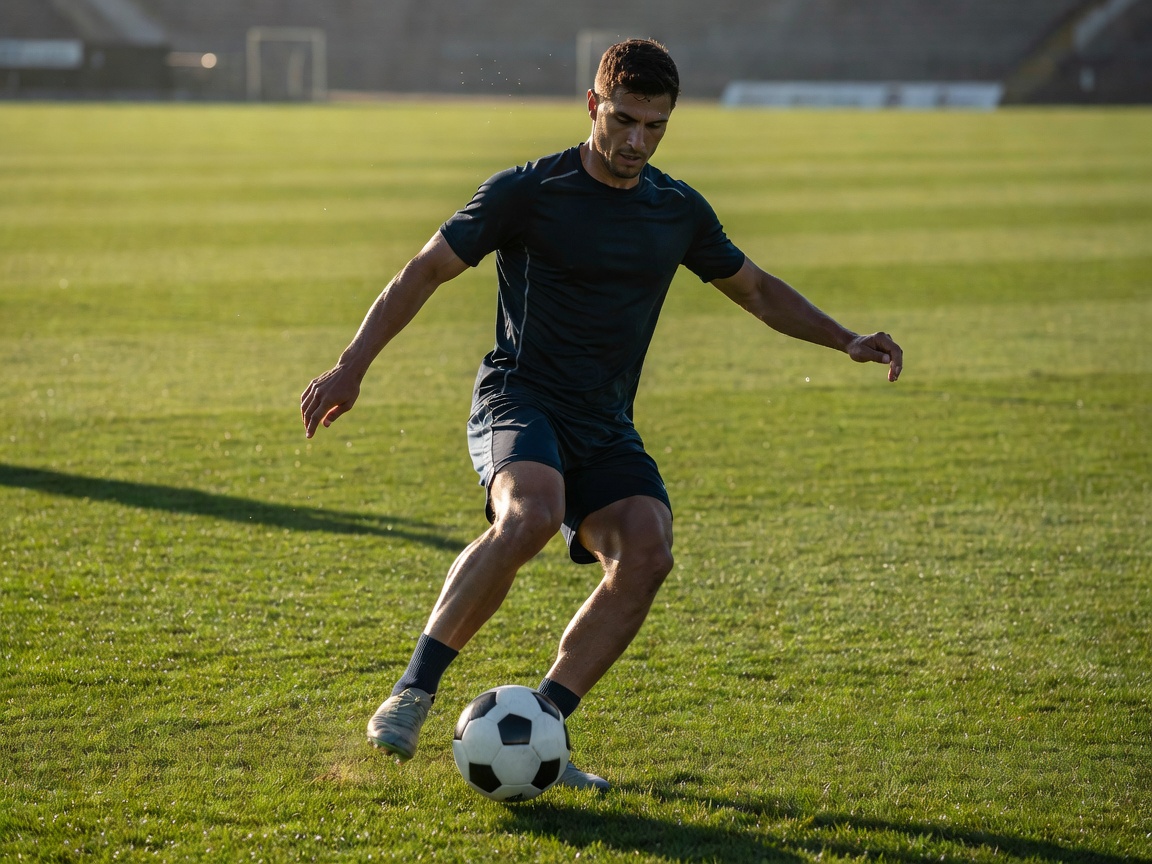
Ball control includes more than touching the ball cleanly. Practice can ask players to receive into space, protect possession, change direction or prepare for the next action. Passing sessions can vary distance, angle, pressure and movement. Finishing work can explore setup touches, varied service and decisions about placement. The task should match the available space and group size.
Progress from a simple pattern toward a more representative situation when appropriate. Repetition provides familiarity, while changing information requires players to observe and choose. Do not make a drill complicated just to make it look demanding. Keep the link between the exercise and the stated aim visible.
Tactical awareness and positional work
Tactical sessions can use small-sided games, unit practices or walkthroughs to explore spacing, support, pressing cues and transitions. Positional work can highlight the information players need before receiving, movement away from the ball and relationships between teammates. Use questions sparingly and direct feedback toward the decision being practised.
Groups may have different systems or roles at home. Explain the context of any positional task and avoid implying that one setup is right for every team. A camp can introduce ideas, but participants need time to discuss how those ideas relate to their regular football environment.
Physical preparation and sensible volume
Physical elements can be integrated into football tasks or set out as separate work, depending on the group and the session objective. Plan the total activity across the camp, not just each individual session. Account for warm-ups, travel, weather, age group, rest periods and the participants’ usual training schedule. A busy itinerary is not automatically a productive one.
Recovery planning includes breaks, access to water, time between sessions and a realistic end to each day. Participants should be encouraged to communicate discomfort or concerns to the responsible organiser. This information is general football planning guidance, not medical, physiotherapy or individual conditioning advice. For health questions, consult an appropriately qualified professional.
Feedback that players can use
Feedback should be specific, timely and connected to the task. Identify an action or decision, then give the player a clear next focus. Group reviews can ask what was noticed, what options were available and what could be tried in the next repetition. Keep feedback proportionate; a camp schedule may not allow a detailed individual assessment.
Agree in advance how notes will be captured. A coach may record session themes and common observations without creating a complex data set. If individual notes are collected, explain their purpose, who can access them and how they will be stored. Do not present a short camp as formal scouting or a guarantee of selection or progress.
Progress tracking and review
Useful tracking can be simple. Before training, ask players to identify a focus. After a session, record what they practised and one action they want to carry forward. Coaches can note how well a session matched its objective and what should change next time. These observations help keep the camp coherent; they are not a complete measure of a player’s ability.
Make the final review practical. Summarise the themes covered, invite players to name one takeaway and suggest how the work can continue in their regular training. Avoid comparing participants publicly or making claims that exceed what the sessions can show.
Good fit for
This approach suits youth or adult groups with a defined training window and a coach or organiser able to set clear session aims. It also helps mixed-level groups when tasks can be adapted without losing the shared theme.
What to check
- Are the session objectives clear and appropriate for the participants?
- Do facility size and equipment support the planned activities?
- Is the total training volume balanced with recovery and travel?
- Can exercises be adjusted for varied experience?
- Is feedback specific, respectful and connected to the task?
- Are any notes or participant information handled transparently?