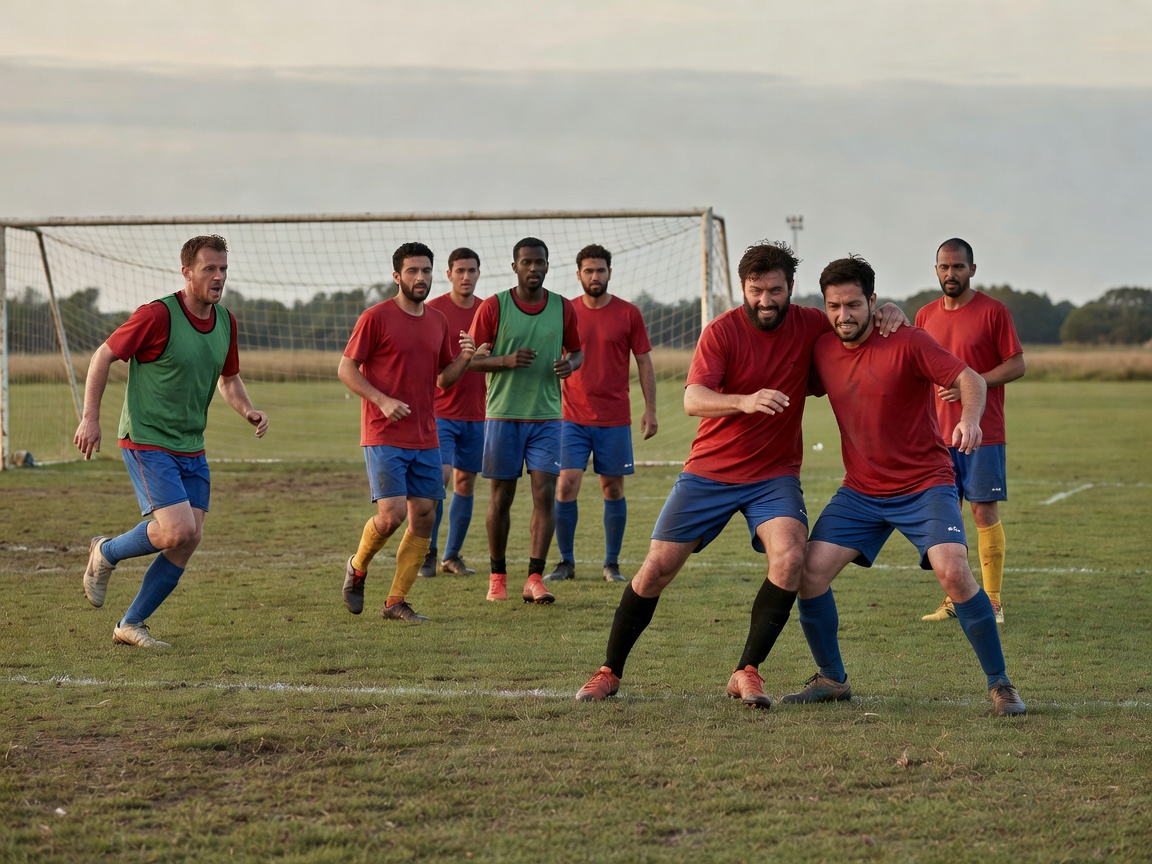
An amateur camp can help a recreational team spend focused time together, practise agreed themes and enjoy a different training environment. The plan should account for work schedules, varied playing backgrounds, fitness levels and the group’s appetite for downtime. Start with a realistic goal. The schedule follows from there.
Start with the group, not the drill list
Ask participants what they want from the trip. A team may want a pre-season tune-up, more time on the ball, tactical discussion or a shared experience away from its usual routine. Those goals call for different session designs. Confirm numbers early and identify the range of playing experience. Mixed-skill groups can work well when exercises offer more than one level of challenge and players understand the purpose.
Agree the basics before booking: expected attendance, session count, preferred dates, travel tolerance and the level of organised activity. Some participants may have limited time or need to balance football with family or work. Keep optional activities clearly separate from the core programme.
Weekend camp or longer training stay?
Short weekend
Works well for: a compact team gathering with a small number of sessions.
Trade-off: travel can take a large share of a short visit. Keep the schedule focused and build in arrival and departure time.
Longer stay
Works well for: spacing training, recovery and team time across several days.
Trade-off: more nights require greater coordination, a clearer budget and enough varied activity to avoid overloading the itinerary.
A weekend often suits teams that want a straightforward reset. A longer stay can provide more room for a repeated theme and recovery between sessions. Neither format is automatically better. Compare usable pitch time, transport time and the group’s availability, not just the number of calendar days.
Balance technical, tactical and fitness work
Technical sessions can focus on first touch, passing under pressure, combinations or finishing. Tactical work might address team shape, transitions, set-piece roles or decision-making in a defined area. Fitness elements can be integrated into football tasks or planned separately, depending on the group’s experience and current training routine. Keep session objectives specific enough to guide the coach and broad enough to include mixed abilities.
Build a sensible progression across the stay. Avoid stacking the most demanding work into every available slot. Include warm-up time, water breaks, cool-down transitions and recovery. Make the expected intensity clear before participants travel. This is practical planning guidance, not individual fitness or medical advice.
Make room for team connection and downtime
Team-building does not need to mean a packed itinerary. Shared meals, an informal review or unstructured time can be more useful than adding another activity. Confirm whether meals are provided, where participants can eat and how long it takes to travel between accommodation and the pitch. A schedule with breathing room is easier to manage when weather or transport plans change.
Travel and accommodation
Choose accommodation based on group size, location, meal arrangements and access to the training environment. Check room configuration, storage for equipment, quiet hours and any accessibility needs. For transport, decide whether the group travels together, arrives independently or uses a combination. Communicate meeting points, luggage limits, local transfers and departure timing in one place.
For teams travelling from outside the area, compare the total journey rather than a single flight or rail leg. Transfers and waiting time affect the available programme. Provide one organiser contact for arrival-day updates and share a backup plan for delays.
Good fit for
Amateur camps suit adult recreational teams, established friend groups or mixed-level players who can agree on a shared schedule and participation expectations. A group with very different goals can still take part, but needs a clear distinction between required sessions and optional activities.
What to check
- Does the camp length leave enough usable time after travel?
- Are session goals and expected intensity appropriate for the group?
- Can the schedule accommodate varied experience and fitness levels?
- Are accommodation, meals and pitch transfers confirmed?
- Is there time for rest and football-free team time?
- Are the total cost categories clear before participants commit?
Keep the plan direct. A few well-designed sessions, a reliable daily routine and good communication are more useful than a crowded timetable.