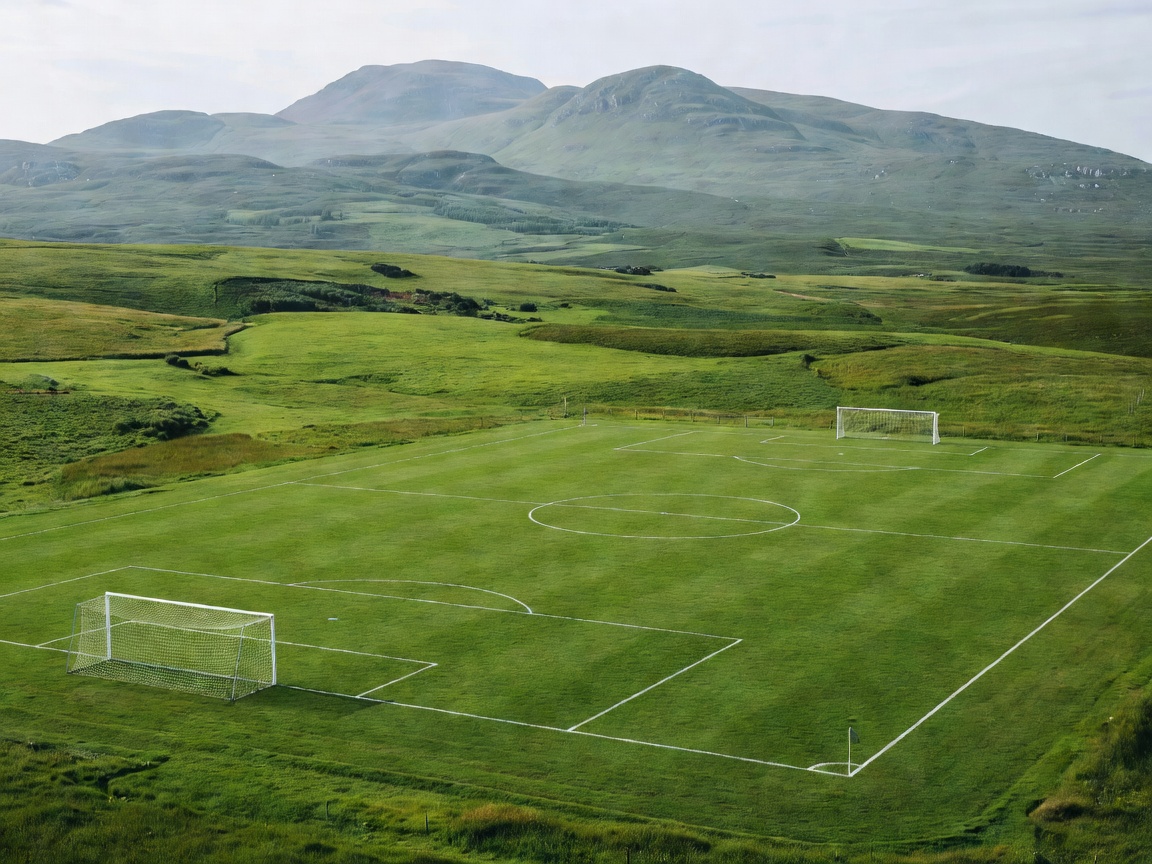
A destination is more than a map pin. For a football camp, the useful questions are how participants arrive, what training spaces can be confirmed, how much daylight is available and whether accommodation fits the schedule. The answers vary by location and season. Verify details directly with the relevant providers before making commitments.
Compare the five Nordic countries carefully
Norway
Norway’s geography creates substantial variation between coastal, inland and northern areas. Journey times can be affected by terrain and connections. Compare airport or rail access with the final transfer, not only the distance to a major city. Seasonal daylight and weather also differ across the country, so confirm local conditions for the specific dates.
Sweden
Sweden spans a long north–south distance. Southern and northern locations can differ in climate, daylight and travel time. A city-based stay may offer a different transport pattern from a more remote setting. Check whether participants can reach the training area efficiently and how the group will move between lodging, meals and sessions.
Denmark
Denmark’s geography and regional transport options can make access a central selection factor. Check connections between the arrival point and the proposed accommodation and training area. Do not assume that a short map distance means a simple group transfer. Confirm travel arrangements and the availability of suitable indoor and outdoor spaces.
Finland
Finland also has wide regional differences. Winter conditions and daylight can be important considerations, while the choice between indoor and outdoor training may depend strongly on season and location. Confirm surfaces, facility access, changing arrangements and the weather plan for the precise period being considered.
Iceland
Iceland offers a distinctive island setting, but travel coordination deserves close attention. Review flight schedules, local transport and the effect of weather on itinerary flexibility. Check what training facilities can be booked, their access arrangements and the distance from the group’s accommodation. Build contingency time into arrival and departure days.
Climate and daylight shape the timetable
Season affects temperature, precipitation, wind, ground conditions and available daylight. A summer schedule may support more outdoor time but still needs a wet-weather response. In darker months, daylight hours can influence session placement and travel safety. Confirm local sunrise and sunset patterns, then plan realistic arrival, setup and changing time around them.
Ask what happens if a pitch becomes unavailable or conditions change. A fallback might be a confirmed indoor space, a revised session plan or a non-pitch activity. Avoid treating a possible alternative as guaranteed until it has been agreed.
Facilities and accommodation are one system
Assess pitches by surface, dimensions, access, lighting, changing facilities and any equipment included. Ask about booking windows, cancellation terms and any restrictions. Indoor options can protect a programme from weather, but the type and availability of space must match the activity. Confirm the location and transfer time for each venue.
Accommodation affects both recovery and daily logistics. Compare meal arrangements, room configuration, accessible facilities and the ease of carrying equipment. A convenient base may reduce transport complexity; a more remote stay may offer a quieter setting but need additional transfers. Neither is automatically preferable.
Travel access and local transport
Map the full route from participants’ starting points to the training area. Include flight, rail or road legs, transfers, luggage, connection time and late arrivals. For larger groups, decide whether a shared transfer or individual arrival is more workable. Confirm the local transport plan for each training day and set one contact for schedule changes.
Advantages and limitations
A Nordic destination can offer a different training setting and a clear change of routine. Cooler conditions may suit some planned activities, while local landscapes can make travel memorable. These are possibilities, not guarantees of a better experience. Distance, seasonal weather, daylight and transport connections can add complexity. The strongest destination is the one that fits the group’s dates, access needs, budget categories and confirmed training requirements.
Good fit for
Destination research is useful for teams and organisers comparing locations across the Nordic region, especially when dates remain flexible or participants travel from several places. It is also useful when the desired training environment depends on indoor access or specific seasonal conditions.
What to check
- What is the full door-to-door journey for the group?
- How do local daylight and typical seasonal conditions affect the programme?
- Are the proposed outdoor or indoor training spaces actually bookable?
- How far apart are the accommodation, meals and training locations?
- What local transfers are available for people and equipment?
- What are the cancellation and weather contingency arrangements?
Use verified, date-specific information. Do not rely on broad assumptions about an entire country or season.